Car Detailing Tips 02
Keeping your car looking its best doesn’t always require a full detail. Regular washing, removing contaminants early and using the right products…
Read Article

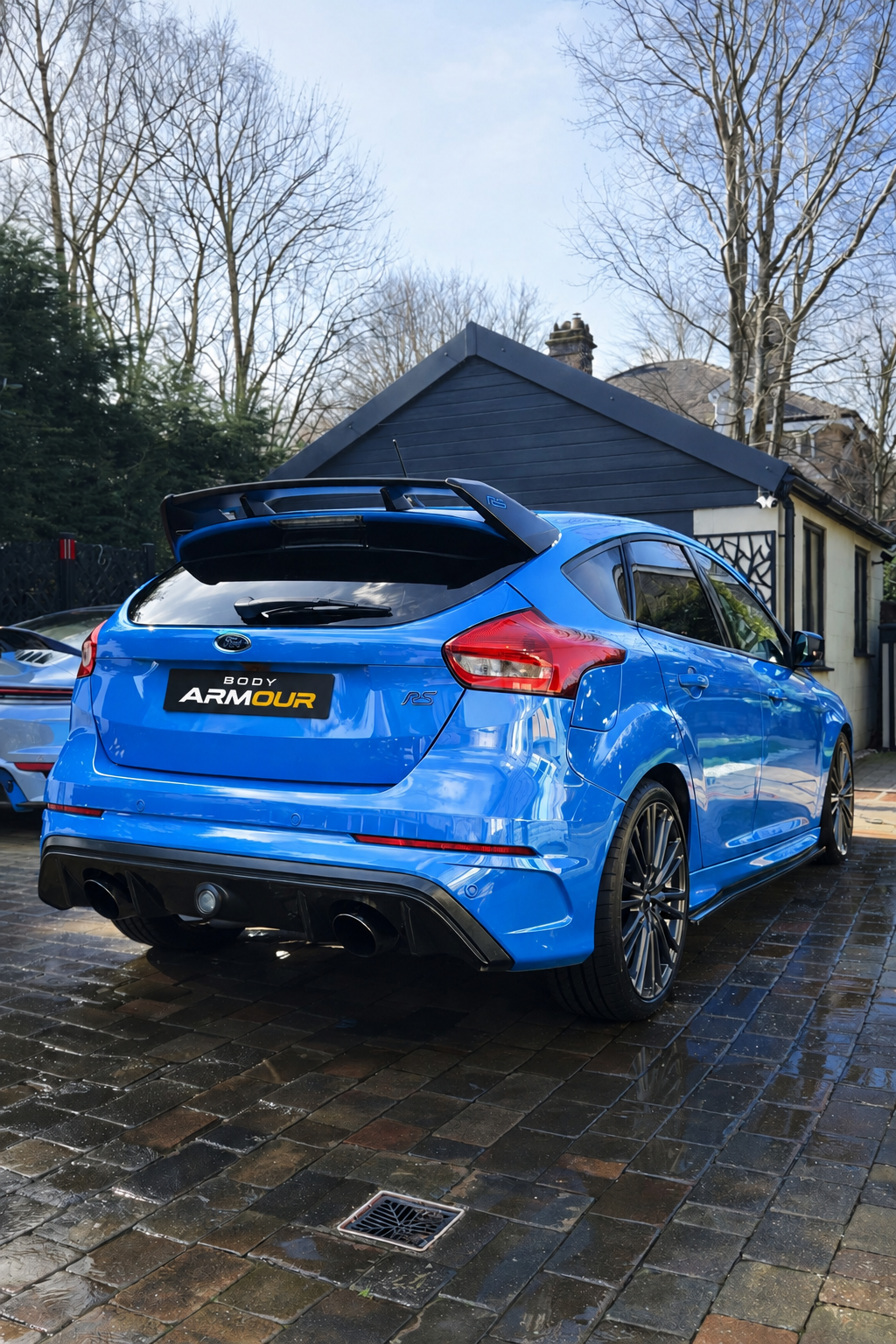
Short answer: On a car you’re keeping, yes. Coating new paint is the cheapest protection that car will ever get, because you’re paying for a coating instead of paying for paint correction plus a coating in four years. On a three-year PCP you’re handing back without a second thought, it’s a nice-to-have rather than an obvious yes.
You’ve just picked the car up, the paint will never look better than it does right now, and someone has already told you to protect it. Whether that’s good advice depends on one thing far more than any other: how long you’re keeping it.
Most people weigh a coating against doing nothing. That’s the wrong comparison, and it’s why the maths never adds up in people’s heads.
The real comparison is coating the car now, or paying for paint correction plus a coating in four years. Correction is the expensive part of detailing: hours of skilled work, the longest stage of any detail, and the one most mobile operators quietly skip. A car coated from new and washed properly never builds the swirl marks that later need multi-stage correction to remove.
Coat it now, and the coating absorbs several years of wear instead of your clear coat. Leave it, run it through a brush wash for four years, and you’re paying for correction before you can even think about protection. We’ve broken down what affects paint correction cost separately, but it comfortably exceeds the coating.
A car that’s never been owned has still been handled. It’s been transported, stored, sometimes for weeks, and it’s been through a pre-delivery valet. Dealer prep is very often where a new car picks up its first marring, because it’s done quickly and to a schedule rather than to a standard.
Take the car into direct sunlight and look down the bonnet at an angle. A surprising number of new cars already show light swirls before they’ve done a hundred miles. We’ve explained what causes swirl marks and how to remove them safely in a separate guide.
That doesn’t mean anything is wrong with the car. It means new and untouched aren’t the same thing, and it’s why machine polishing forms part of the process wherever the paint needs it. A coating is optically clear, so whatever is underneath stays there for years.
A ceramic coating is a liquid polymer that bonds chemically to your paint and cures into a hard, transparent, hydrophobic layer. It isn’t a wax, and it isn’t a sealant. It doesn’t sit on top and wash away.
Body Armour Ceramic gives you up to three years: a hydrophobic surface that sheds water and grime, enhanced gloss and colour depth, UV protection, and resistance to bird droppings, brake dust and tree sap. See our ceramic coating page.
Body Armour Graphene is the premium option: up to five years, 10H hardness, chemical resistance from pH 2 to 13, and coverage across wraps, wheels, lights, trim and carbon fibre as well as paint. See graphene coating.
The benefit you’ll actually notice isn’t the shine on day one. It’s that the car stays easier to clean for years.
These three get lumped together, and they do different jobs.
If you want gloss, easy washing and years of environmental protection, a coating is right. If your priority is the motorway pounding your front end takes, PPF is right. Plenty of people end up with both.
We’d rather say this before you book.
It won’t prevent stone chips, it won’t make paint scratch-proof, and it won’t remove the need to wash the car. It resists light marring better than wax, and it makes washing easier and less frequent. That’s the benefit, not the elimination of maintenance.
Choose against your ownership plan, not the spec sheet. Three years of ceramic maps onto a typical PCP term. Five years of graphene makes more sense on a car you’ve bought to keep, and it covers surfaces ceramic bookings don’t always include. Not sure? Ceramic is the lower-commitment choice and can be renewed later. More detail in our guide to how long ceramic coating lasts.
Some are genuinely good. Some are a spray sealant and a certificate. The useful question isn’t dealer versus independent, it’s what’s in the package. Before you sign, ask which product is being applied by name, how long it’s specified to last, what preparation happens first, which surfaces are covered, and what the warranty requires of you.
If the answers are vague, that tells you most of what you need to know. Our comparison of ceramic coating vs wax vs sealant explains what a spray-on sealant is realistically worth.
You don’t need it done before you drive home, and you don’t need to wait. The useful window is before the car has been through its first few wash cycles, because that’s when marring starts accumulating. Booked in the first few weeks after collection, the paint usually needs minimal preparation, which keeps the job straightforward. Leave it two years and correction becomes part of the invoice.
The work happens wherever the car is parked, and we arrive self-contained. We need around a metre of clear space on all sides, dust control during application, and somewhere dry for the cure. Workplace parking often solves that last one where home parking can’t. Heavier corrective work sits within mobile detailing, and existing defects through swirl and scratch removal.
We cover 50 towns across 15 counties in the North West, Midlands, Yorkshire and North Wales, including Chester, Manchester, Birmingham, Liverpool and Leeds. Full list on our locations page.
On a car you’re keeping, yes. New paint needs the least preparation, so you get the most protection for the least outlay and avoid paying for correction later.
Three years of protection fits a typical term and helps at return inspection. If you’re not worried about condition charges, it’s discretionary rather than obvious.
Within the first few weeks, before repeated washing starts introducing marring into fresh paint.
Often light polishing, sometimes none. It depends on what transport and dealer prep left behind, which is assessed before anything is applied.
Not an automatic one with brushes. Hand washing with two buckets and clean equipment is what lets a coating reach its full life. Regular mobile valeting is a safe alternative.
No. Only paint protection film does that. If chips are your main concern, PPF on the front end is the correct product.
Tell us the vehicle, when you collected it, your postcode, where it’ll be parked, and whether you own it or it’s on finance. That last one genuinely changes what we’d recommend. You’ll get a straight answer, including if that’s a lighter service than you expected. Call 01829 701 846, message us on WhatsApp, or request a quote.